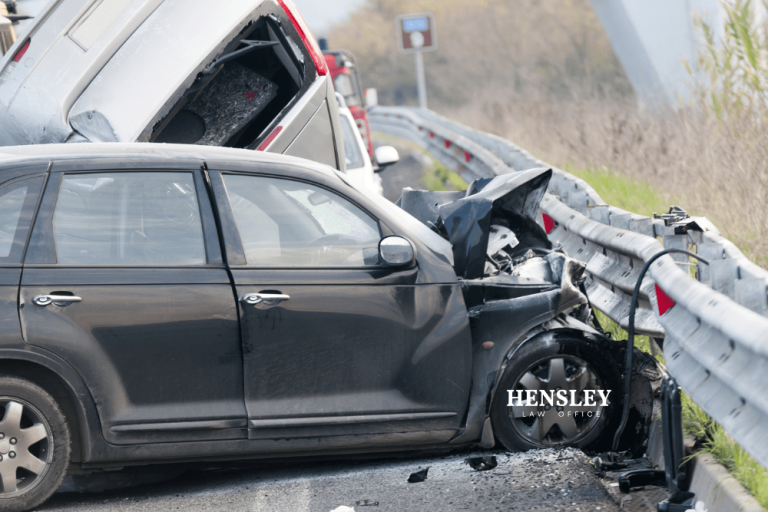
Getting hit by another driver is stressful enough. Finding out that driver sped off without stopping adds a whole new layer of confusion and anger. If this happened to you or someone you love, you’re probably asking a very basic question that turns out to have a fairly specific legal answer: what is a hit and run, exactly, and what happens now?
In Kentucky, a hit and run isn’t just a moral failure on the other driver’s part. It’s a criminal offense with real consequences, and it also changes how you go about recovering compensation for your injuries and property damage. Here’s what the law actually says, what penalties a fleeing driver could face, and what your options look like if you were the one left standing on the side of the road.
The Legal Definition of a Hit and Run in Kentucky
Under Kentucky law, every driver involved in a traffic accident has a duty to stop. This applies whether the crash involves another vehicle, a pedestrian, a cyclist, or even property like a parked car, a fence, or a mailbox. KRS 189.580 lays out exactly what a driver is required to do after being involved in a collision.
At a minimum, a driver must:
Stop as close to the scene as safely possible without obstructing traffic more than necessary. Provide their name, address, and vehicle registration number to the other party involved. Show their driver’s license if asked. Render reasonable assistance to anyone injured, including arranging transportation to a hospital if it’s clear that’s needed.
A hit and run happens when a driver fails to do any of this and leaves the scene instead. It doesn’t matter whether the driver believes the crash was minor, whether they were at fault, or whether they panicked. Once they leave without exchanging information or notifying authorities, they’ve committed a hit and run under Kentucky law.
This applies to two different scenarios, and Kentucky treats them differently:
Accidents involving injury or death. These are covered under KRS 189.580 and carry the more serious penalties, since a driver’s failure to stop can mean the difference between a victim getting timely medical help or not.
Accidents involving only property damage. These fall under a related statute and are treated less severely, though leaving the scene is still a criminal offense.
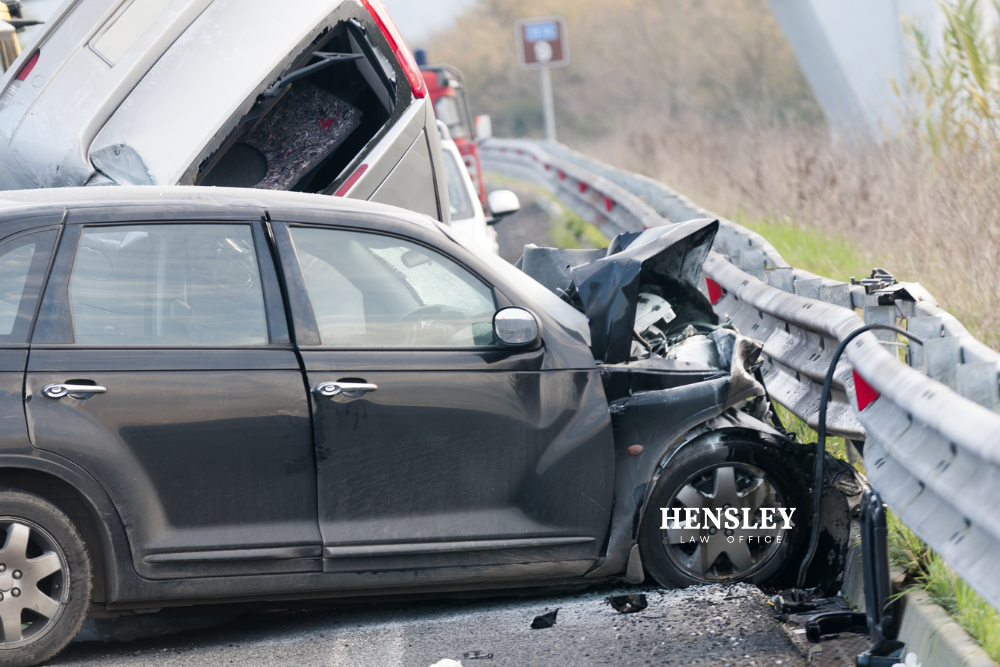
Does It Count as a Hit and Run If the Driver Left a Note?
This comes up more often than you’d think, especially with parked car damage. Leaving a note is a good-faith gesture, but it doesn’t automatically satisfy Kentucky’s legal requirements. The law expects a driver to make a genuine effort to locate the vehicle’s owner or notify police, not just leave a piece of paper on a windshield and drive off. If a driver can’t find you, contacting local law enforcement to report the accident is generally considered the proper step. Whether a note alone is enough can depend on the specific facts, which is part of why these cases sometimes end up more complicated than people expect. Fo rmore information- see our Personal Injury page.
Hit and Runs Involving Pedestrians and Cyclists
Hit and run cases don’t only involve two vehicles. Pedestrians and cyclists are frequently the victims, and these cases tend to carry higher stakes because the injuries are often more severe. A driver striking a pedestrian or cyclist has the same legal duty to stop, provide information, and render aid as they would in a vehicle-to-vehicle crash.
These cases can be harder to resolve for a few practical reasons. Pedestrians and cyclists often have less ability to note details like a license plate before the driver leaves. Injuries can be severe enough that the victim isn’t in a position to gather evidence at all. And because there’s no second vehicle involved, physical evidence at the scene, like debris or paint transfer, becomes even more important for identifying the driver later.
Why Drivers Flee the Scene
Understanding why hit and runs happen doesn’t make them any less frustrating, but it can help explain what you’re dealing with. Common reasons drivers take off include:
Driving without a valid license or with a suspended license. Being under the influence of alcohol or drugs at the time of the crash. Not having auto insurance, which is required in Kentucky. Having outstanding warrants or other legal issues they don’t want police involved in. Simple panic, especially with younger or inexperienced drivers.
None of these reasons excuse the behavior, and in most cases, they actually make the situation worse for the driver once they’re identified. Fleeing the scene is treated as compounding the original offense, not mitigating it.
Penalties for Hit and Run in Kentucky
The consequences a driver faces depend heavily on whether anyone was hurt or killed in the crash.
Hit and run involving injury or death:
This is the more serious version of the offense and is typically charged as a felony in Kentucky when the accident resulted in serious physical injury or death. A conviction can lead to significant prison time, heavy fines, and a permanent criminal record. Courts also tend to treat these cases seriously because leaving an injured person without help can turn a survivable injury into a fatal one.
Hit and run involving only property damage:
This version is generally charged as a misdemeanor. Even though the injury threshold isn’t met, drivers can still face fines, potential jail time, and points on their driving record. Kentucky’s point system can lead to license suspension if enough violations accumulate.
Additional consequences beyond criminal court:
A hit and run conviction almost always leads to a driver’s license suspension. Insurance companies view a hit and run conviction as a major red flag, often resulting in dramatically higher premiums or a canceled policy altogether. If the fleeing driver is later identified and sued in civil court, the criminal conviction can also work against them in that case.
What to Do If You’re the Victim of a Hit and Run
If you were hit by a driver who fled, what you do in the minutes, hours, and days afterward can significantly affect both the criminal case against that driver and your ability to recover compensation.
Call the police immediately. A police report is critical, both for identifying the other driver if possible and for supporting any insurance or injury claim you file later.
Try to get any identifying information. A partial license plate, vehicle color and make, or description of the driver can go a long way. Don’t put yourself in danger trying to chase down a fleeing vehicle.
Look for witnesses and cameras. Nearby businesses, homes, or traffic cameras may have caught footage of the crash or the fleeing vehicle. This evidence can disappear quickly, so time matters.
Get medical attention, even if you feel fine. Some injuries, particularly whiplash or internal injuries, don’t show symptoms right away. A medical record close to the time of the accident also strengthens any future claim.
Notify your own insurance company. If you have uninsured motorist coverage, which is worth having precisely for situations like this, this is the point where it becomes relevant.
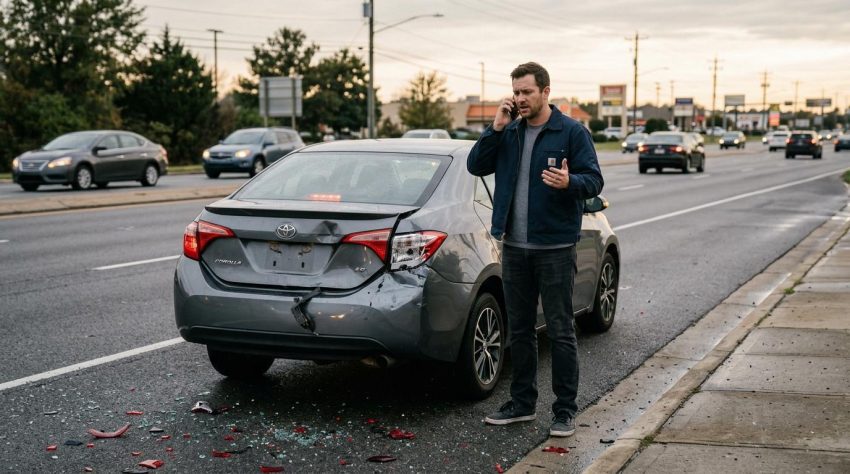
Can You Still Get Compensation If the Driver Was Never Found?
This is one of the most common questions after a hit and run, and the honest answer is: it depends, but yes, it’s often still possible.
If the at-fault driver is never identified, your own insurance policy becomes the primary source of recovery, assuming you carry uninsured motorist (UM) coverage. Kentucky requires insurers to offer UM coverage, though drivers can reject it in writing, so it’s worth checking your policy to see what you actually have.
If the driver is eventually identified, whether through police investigation, witness statements, or traffic camera footage, you may also be able to pursue a personal injury claim directly against them, separate from the criminal case being handled by prosecutors.
Either path involves deadlines, paperwork, and negotiation with insurance adjusters who aren’t necessarily working in your favor. This is where having someone in your corner who understands both the criminal and civil sides of a hit and run case makes a real difference.
How Long Do You Have to File a Claim?
Kentucky generally gives injury victims a limited window to file a personal injury lawsuit, and that clock doesn’t stop just because the at-fault driver hasn’t been found. Waiting to see if police identify the driver can eat into that time without you realizing it. This is one of the more overlooked aspects of hit and run cases: victims sometimes hold off on contacting an attorney because they assume nothing can be done until the driver is caught, when in reality, protecting your claim often needs to start much sooner.
What Makes These Cases More Complicated Than a Standard Accident Claim
A typical car accident claim involves two known parties and their insurance companies working out fault and damages. A hit and run throws that structure off in a few ways:
There’s often a gap between the accident and identifying who’s responsible, which can affect evidence collection and witness memory. Insurance companies may be more skeptical of hit and run claims, sometimes questioning whether the incident happened as described. If the driver is found, there may be a separate criminal case running alongside your civil claim, and the outcome of one can affect the other. UM coverage claims are technically claims against your own insurer, and insurers don’t always make that process easy, even when you’re paying them for exactly this kind of protection.
None of this means you’re out of luck. It means the case benefits from someone who knows how to build it correctly from the start.
If You’ve Been Hit and the Other Driver Fled, You Don’t Have to Sort This Out Alone
A hit and run leaves you dealing with medical bills, vehicle damage, and unanswered questions all at once. Kentucky law gives you real options, whether the driver responsible is identified or not, but those options come with deadlines and require the right documentation to hold up.
FAQ’s About Hit & Run
Q: What is considered a hit and run in Kentucky?
A: In Kentucky, a hit and run occurs when a driver involved in an accident leaves the scene without stopping to provide their name, contact information, vehicle registration, and reasonable assistance to anyone injured. Kentucky law requires all drivers involved in an accident to remain at the scene regardless of who was at fault. Leaving the scene of an accident — even a minor one involving only property damage — is a criminal offense under Kentucky law. If you were injured by a hit and run driver in northeast Kentucky, contact Hensley Law Office, P.S.C. at (606) 836-3117 for a free consultation.
Q: What are the penalties for a hit and run in Kentucky?
A: Penalties for hit and run in Kentucky depend on the severity of the accident. Leaving the scene of an accident involving only property damage is a Class A misdemeanor, punishable by up to 12 months in jail and fines. If the accident resulted in injury, leaving the scene becomes a Class D felony — carrying one to five years in prison. If someone died as a result of the accident, leaving the scene is a Class C felony, punishable by five to ten years in prison. A conviction also results in license suspension and significant insurance consequences. If you are facing hit and run charges in northeast Kentucky, contact Jeff Hensley at (606) 836-3117 immediately.
Q: Can I still recover compensation if I was hit by a hit and run driver in Kentucky?
A: Yes — even if the at-fault driver fled the scene and was never identified, you may still have legal options for recovering compensation. Kentucky is a no-fault insurance state, meaning your own Personal Injury Protection (PIP) coverage applies regardless of who caused the accident. If your damages exceed your PIP limits, your uninsured motorist coverage may also apply to hit and run accidents where the driver cannot be identified. An experienced personal injury attorney can review your insurance coverage and identify every available avenue for compensation. Contact Hensley Law Office, P.S.C. at (606) 836-3117 for a free consultation.
If you or someone in your family was injured in a hit and run in the Ashland, KY area or the surrounding counties, Jeff Hensley Law can walk you through what comes next and help you pursue the compensation you’re owed. Call (606) 836-3117 today for a free consultation.